Mastering Luxury Pricing: A Guide on How to Calculate the Cost of a Premium Customized Hamper?
The art of curating a perfect gift is deeply personal, but when that gift involves assembling a premium customized hamper, the science—or rather, the spreadsheet—of pricing can feel overwhelming. You want your masterpiece to convey luxury, thoughtfulness, and impeccable taste, but how do you ensure that your final price point accurately reflects the quality, effort, and sheer joy of the contents without leaving out profit margins or underestimating shipping costs? Calculating this cost is more than just adding up receipts; it’s an alchemy of sourcing, design, and market positioning. This comprehensive guide will walk you through every step, demystifying the process so that calculating how to calculate the cost of a premium customized hamper becomes straightforward and profitable.
Deconstructing the Cost Components: The Foundation of Your Pricing Model
Before you can set a final price tag, you must first understand what makes up the internal costs. Think of this process like building a beautiful house; every beam and brick needs to be accounted for before the paint goes on. A premium hamper involves far more than just the items themselves—it includes labor, overhead, presentation, and logistics.

Inventorying Product Costs (COGS)
The most obvious component is the Cost of Goods Sold (COGS). This means calculating the absolute cost of every single item going into the box. Never rely on memory or a quick estimate here; precision is key. You must account for:
- Individual Item Price: The sticker price you paid for each product (e.g., specialty chocolate, artisan soap, gourmet coffee beans).
- Wholesale Discounts/Bulk Pricing: If you bought items in bulk, use the actual unit cost. Never assume a better deal than what was negotiated or recorded.
- Packaging Components: This includes the hamper basket itself, filler material (shredded paper, crinkle cut), ribbon, and tissue paper. Sometimes these are overlooked but significantly contribute to perceived value.
Remember that if an item is expensive but highly desirable—like a limited-edition bottle of olive oil—you must track its true cost meticulously.
Accounting for Labor and Overhead
This is where many DIY hamper creators stumble. They tend to only calculate the product costs, forgetting the human element. Your labor—the time spent sourcing, curating, packaging, labeling, and fulfilling orders—is valuable and must be monetized.
- Assembly Time: How long does it take you to assemble one hamper? If you spend 20 minutes on a complex arrangement, assign an hourly rate (even if that rate is just enough to cover your time).
- Operational Overhead: This covers the "invisible" costs: electricity for lighting/heating, website hosting fees, marketing materials, and general business supplies. It’s wise to allocate a small percentage of these overhead costs per hamper sold—it's like buying insurance for your business!
The Logistics Labyrinth: Shipping and Taxes
Once you have totaled the product cost plus Online Gift Delivery labor, you must face the intimidating realities of shipping and taxes. These elements are not optional add-ons; they are foundational pillars of your final price calculation. If you neglect them, your entire profit margin could vanish into a FedEx fee.
Calculating Fulfillment Costs
Fulfillment costs involve more than just postage. You need to determine:
- Weight and Dimensions: Weigh the fully assembled hamper (including basket and filler) and measure its dimensions accurately. Shipping rates are based on dimensional weight, not just actual weight.
- Shipping Carrier Rates: Get quotes from multiple carriers (USPS, FedEx, UPS). Sometimes a slightly slower service offers vastly better pricing without compromising quality.
- Insurance and Handling Fees: Always factor in insurance for high-value items. Also, consider the cost of handling unusual requests or damage during shipping.
Don't let the complexity intimidate you. Treat it like solving a puzzle; every quote is another piece of the picture.
Understanding Tax Structures
Taxes can be complex, varying by state and sometimes even by county. For your pricing model, remember that while sales tax might be collected from the customer at checkout, local business taxes or reseller fees need to be factored into your operating costs when calculating how to calculate the cost of a premium customized hamper? This ensures you are compliant and profitable.
Pricing Strategy: From Cost to Customer Value
Now that you know exactly how much it costs to make the hamper, the next question is: what should you charge for it? This requires moving beyond simple arithmetic and embracing market psychology. You need a pricing strategy that reflects perceived value.
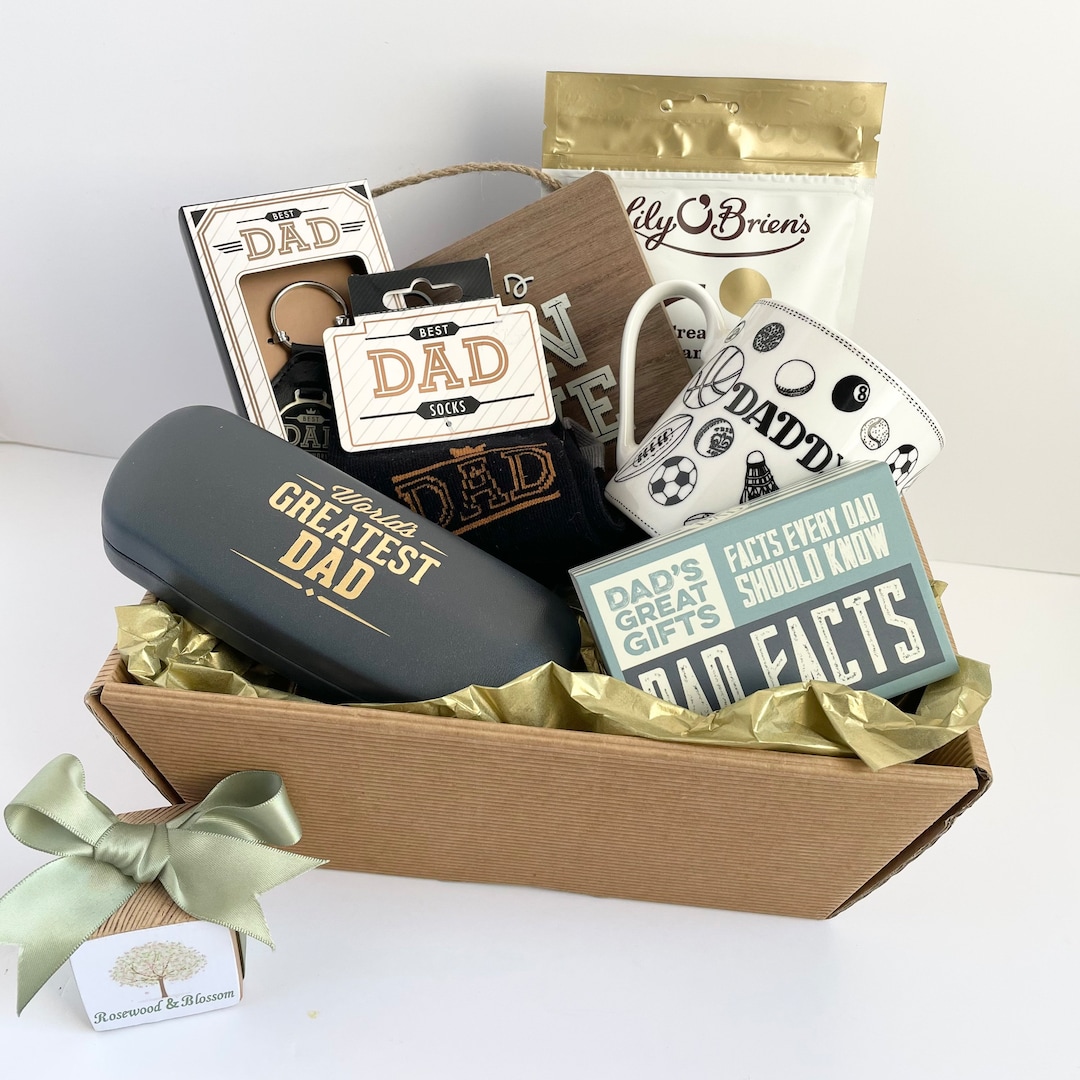
The Markup Method vs. Value-Based Pricing
Many beginners start with the Markup Method (Cost + X% = Price). While easy, this often undersells high-quality work because it treats your labor and design skill as mere percentages.
A more sophisticated approach is Value-Based Pricing. This method asks: What does the customer perceive this hamper to be worth? If you are selling a "Luxury Self-Care Basket," the buyer isn't just paying for soap; they are buying relaxation, indulgence, and the feeling of being spoiled.
Consider the anecdote of Mrs. Albright, who ran a small local gift shop. She initially priced her curated baskets based purely on wholesale cost plus 50%. However, when she started basing her prices on the feeling the recipient would have—the joy, the moment of opening it—her average sale price jumped significantly, proving that perceived value can be a much stronger profit driver than mere material costs.
Quote to ponder: "The greatest value you provide is not in the products themselves, but in the curation and the story they tell." This thought should guide your pricing structure.
The Competitive Analysis Check
Before finalizing your price, take a step back and look at your competition. Use this as an anchor point—not to match them exactly, but to determine where you sit within the market hierarchy. If competing hampers in your niche are priced between $150-$250, charging $80 might signal lower quality, while charging $400 might deter buyers who feel sticker shock.
Structuring Your Perfect Price Point
To synthesize everything and answer how to calculate the cost of a premium customized hamper? into one actionable formula, use this simplified equation:
$$\textFinal Selling Price = \left( (\textCOGS + \textLabor + \textOverhead) / (1 - \textDesired Profit Margin) \right) + \textShipping/Tax Buffer$$
It sounds complicated, but it simply ensures that when you factor in your desired profit margin (your slice of the pie!), the final price remains sustainable.
The Power of Presentation and Storytelling
The ultimate element that elevates a hamper from "expensive box" to "luxury gift" is storytelling. When presenting your cost structure, never focus only on the numbers. Instead, build the narrative: “This basket features hand-rolled chocolates sourced from Belgium, paired with artisanal Italian roast coffee, designed for the perfect lazy Sunday morning.” This elevates the perceived value and justifies the price point, making the customer feel like they are investing in an experience, not just a collection of items.
Making Your Selection Count
Calculating the cost is merely half the equation; the other half is mastery of the market. By meticulously tracking every single expense—from the smallest ribbon to your own time—and by framing that cost within a compelling narrative of luxury and care, you transform a simple calculation into a powerful business model. Mastering this process allows you to sell not just hampers, but moments of pure joy. Start small, track everything diligently, and watch your passion project flourish!