Why Presentation is So Important for Father's Day Gifts (And Why It Really Matters)
Ever found yourself staring at a gift box, caught between the perfect gadget inside and the utterly underwhelming way it’s wrapped? You know the feeling. When we try to celebrate Dad—the man who often prides himself on being practical, rugged, or just generally unimpressed by fuss—we want him to feel seen. We want him to feel like he is genuinely loved. But in the rush of coordinating a perfect day, sometimes the sheer thought can get lost between the gift itself and the act of giving it.

It’s tempting to think that if the item is expensive enough or useful enough, the gesture speaks for itself. However, decades of emotional psychology tell us that human connection isn't just about material Get more information value; it's about effort. And effort, in the world of gift-giving, often manifests as impeccable presentation. Understanding why is key to moving beyond simply buying something and actually giving an experience.
The Psychology Behind the Perfect Unboxing Moment
Giving a gift is rarely just a transaction; it’s a mini performance designed to elicit joy. When we talk about why is presentation so important for father's day gifts?, we are really talking about psychology. We aren't just wrapping paper-wasting objects; we are constructing anticipation. The unboxing process itself becomes part of the gift, adding layers of perceived value that far exceed the cost of the ribbon or box.
Think of it like this: a beautiful presentation acts as an emotional appetizer to the main course (the actual gift). It signals to the recipient—your father—that you didn't just grab the nearest thing on sale; you took time, care, and consideration for every detail. This attention to aesthetic detail communicates a powerful message: "I paid attention to you."
It’s a silent language of care. Does the gift itself count for everything? While quality matters immensely, presentation elevates that quality from a commodity into an experience. A carefully curated moment can make even a simple, thoughtful item feel monumental.
Elevating Sentiment: Beyond Just Wrapping Paper
If we strip away the fancy bows and tissue paper, what remains is the core concept of thoughtfulness. Yet, it’s precisely those small flourishes that transform a mundane purchase into a cherished memory. Sweet Treats This isn't about spending more money; it's about optimizing emotional yield.
Sometimes I remember my uncle who gave me a book for my birthday years ago. The book was fine—a little dusty, even. But the way he wrapped it in newspaper clippings related to my favorite hobby, and tucked in an old family photo inside the cover, made that gift legendary. He didn't just give me something; he gave me a narrative.
This is where presentation shifts gears from mere packaging into storytelling. It acts as a curtain lift, drawing the recipient into the story of why you chose this specific item for him. When considering why is presentation so important for father's day gifts?, remember that every detail—a hand-written tag, coordinating colors, or even choosing a unique box instead of plain cardboard—contributes to that narrative.
The Tangible Proof of Effort and Time
The greatest compliment you can pay someone isn’t often monetary; it’s relational. It says, "I spent time thinking about your tastes." Presentation is the tangible proof of that investment.
When a gift arrives in a beautifully packaged manner, it suggests an effort trajectory: Idea $\rightarrow$ Acquisition $\rightarrow$ Curation $\rightarrow$ Presentation. Every step requires mental bandwidth and physical action. This proves to your father that you didn't just buy the item; you orchestrated the entire gesture.
Consider these elements of elevated presentation:
- The Vessel: Choosing a high-quality box or bag rather than generic wrapping paper.
- The Accent: Adding personalized touches, like an inside joke written on a tag, or a small complementary item (like gourmet coffee beans with a gadget).
- The Story: Including a handwritten card that explains why the gift was chosen for him specifically.
If your goal is to make him feel truly special, understanding why is presentation so important for father's day gifts? reveals that the answer is simple: it maximizes emotional impact. This thoughtfulness shines through like a perfectly polished piece of wood.
Crafting Lasting Memories Through Intentional Giving
The principles we learn about thoughtful presentation don't expire when Father's Day ends. They become foundational to how we relate to others throughout our lives. The goal should always be to make the act of giving as meaningful as the gift itself.
To help ensure your next gesture is impactful, consider these strategic steps:
- Map his interests: Don't buy what you want him to like; buy what he genuinely enjoys doing in his downtime.
- Source unique elements: Look for artisanal goods or experiences that feel hyper-local and personal.
- Layer the gift: Instead of one big item, create a small collection of complementary items (e.g., nice socks, beard oil, and a book).
As one quote suggests: "The greatest gifts are those given with intention." When you approach giving gifts this way—with careful intent woven into every detail of the presentation—the emotional return is exponentially higher. It turns a simple purchase into a cherished memory vault.
Beyond Father's Day: Cultivating a Culture of Thoughtfulness
Now that we understand how deeply presentation enriches the gift-giving experience, how can we apply this wisdom year-round? The secret to consistent thoughtfulness isn't about having an elaborate wrapping station; it's about maintaining a mindset of appreciation for the small details.
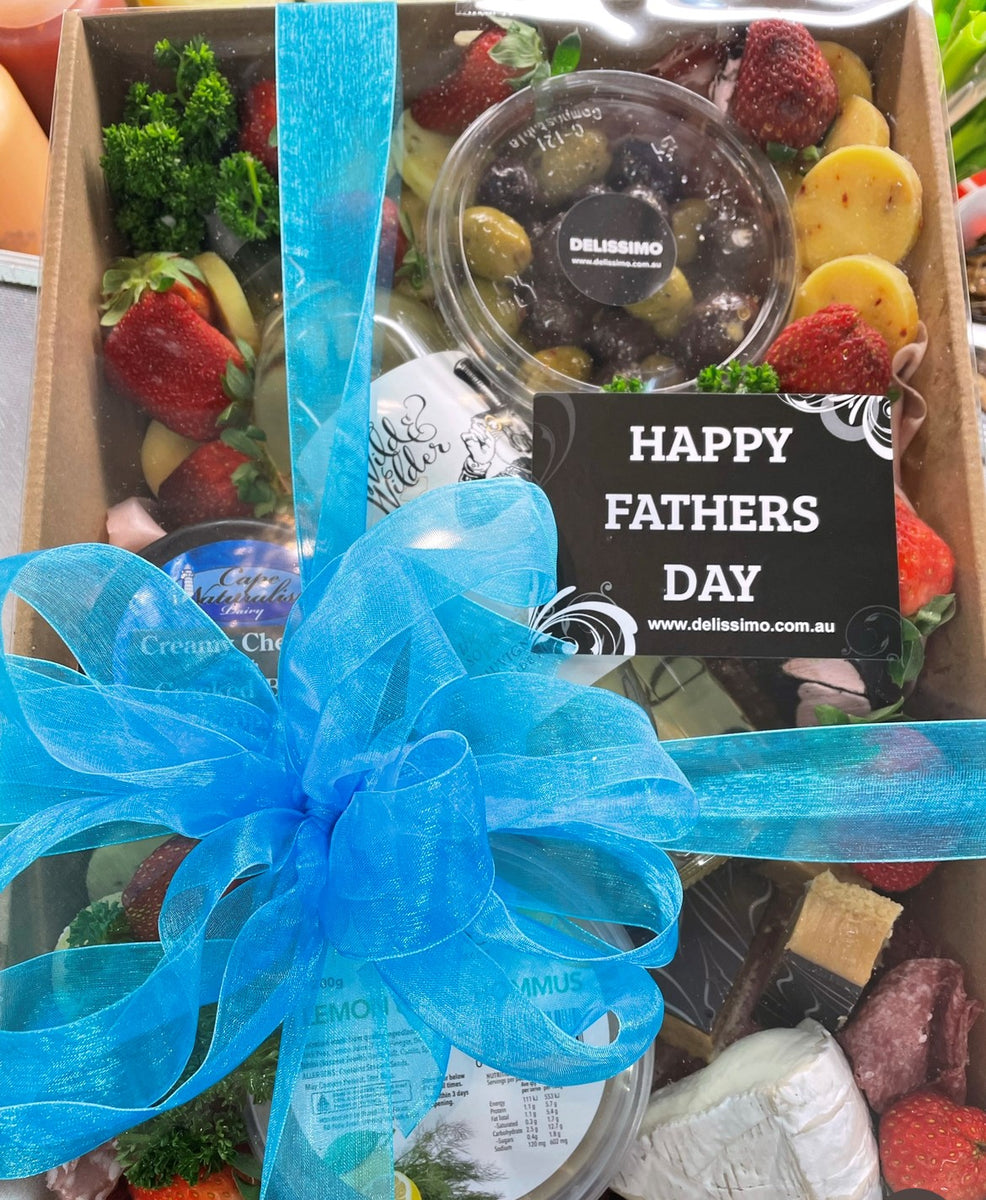
The next time you are selecting something for him—whether it’s socks or a Swiss Army knife—pause and ask yourself: What story is this gift telling? Does the way I present this item reinforce that he is seen, appreciated, and loved exactly as he is? By consistently applying the principles of thoughtful presentation, you ensure that every gesture, big or small, resonates with warmth and genuine care.
Ultimately, by treating the act of giving like an art form—where wrapping paper is paint, ribbon is brushstroke, and intention is the masterpiece—you elevate your relationship beyond mere obligation to one rich with shared joy and understanding.